It is easy to assume that you know what your customers want. After all, you’ve got the product, the marketing, and the website, right? However, your marketing tactics could fall short of their potential without a deep understanding of customer insights, which refer to your customers’ needs, behaviours, and preferences.
This is especially true if you don’t consistently refer to new data points to help your understanding evolve alongside the changes your customer will experience.
One of the most common pain points among businesses is the lack of true customer insight. Many companies don’t know what their customers want, where they are on their journey, or how to connect with them at the right time. They know one aspect of the customer’s problem but have not broken down all the friction points that arise throughout the journey.
You may think that most companies spend time and money on knowing their customers well because all marketers know that understanding your customers is key to engagement. Sadly, few companies commit to it. In fact, according to Forrester’s recent study, only 15% of companies were customer-obsessed despite it being vital to positive customer engagement.
This problem is only magnified when you add the opportunities that AI brings marketing teams. AI is a powerful tool that needs the correct context (prompts) to deliver accuracy. That context includes objectives and audience insights by targeted segment.
This lack of consistency can lead to missed opportunities and frustrated customers or potential customers who become more confident in your competitor.
Let’s explore why understanding your customers is so important and how easy it is to get started.
Why Understanding Your Customers Matters
At the heart of every successful business is a customer who feels understood. When you know your customers inside and out, you can tailor your messaging, offers, and experiences to help them make decisions, overcome challenges and develop a meaningful relationship with your brand.
This leads to:
- Increased Engagement
Understanding your customers helps you create relevant content, personalized messages, and offers that resonate with them. The more targeted and personalized your approach, the more likely customers will engage with your brand. - Better Customer Retention
Customers who feel that a brand understands them are more likely to become loyal repeat buyers. Creating an experience that caters to their preferences and pain points will increase the chances of turning one-time buyers into long-term customers. - Improved Customer Experience
Customer experience is everything. If your business doesn’t align with your customers’ needs and expectations, they’ll quickly turn to a competitor. By understanding what your customers value, you can ensure that your touchpoints, products, and services meet or exceed their expectations. These engagement stats show that 91% of customers’ relevant offers and personalized messaging influence their decisions. - Better Marketing and Sales Decisions
The more you know about your customers, the better decisions you’ll make in terms of marketing strategy, product offerings, and sales tactics. Data-driven decisions based on actual customer insights are far more effective than assumptions.
Signs That You Do Not Have Enough Customer Insights

Many businesses believe they know their customers well enough, but they might not realize the gaps in their understanding. Here are some signs that suggest you may need to dig deeper:
- High Customer Churn
Are customers walking away after one purchase? If you’re struggling to retain customers, it may be a sign that you haven’t pinpointed what keeps them coming back. - Generic Marketing Messages
If your marketing feels “one-size-fits-all,” it might be a sign that you’re not tailoring your communications to the specific pain points or desires of different customer segments. Sometimes, we start with great messages that serve as the beginning of the customer journey and completely ignore the many other phases that require marketing support. - Low Engagement Rates
If your email open rates, social media interactions, or website traffic are lower than expected, this might indicate that your messages are not meeting your customers’ needs. - Lack of Clarity in Customer Personas
If your customer personas are vague or based on assumptions rather than data, you could be underestimating key factors like demographics, behaviours, and preferences.
How to Stay Focused on Collecting Customer Insights
Consistency is going to be important. It’s not about collecting customer insights to inform one blog article or a campaign. It’s about digging deeper into the lives of your customer’s lives to build a meaningful relationship.
When you have this, your customers will help you build your brand and grow alongside them.
You can take several steps to gain a deeper understanding of your customers and transform your approach to marketing and customer experience.
1. Conduct Customer Research
Before you can understand your customers, you need to ask the right questions. Start with qualitative and quantitative research:
- Surveys and Questionnaires: Create targeted surveys to gather insights about customer pain points, motivations, and challenges.
- Interviews: Conduct one-on-one interviews with a cross-section of your customers to dive deeper into their experiences, preferences, and opinions.
- Social Media Listening: Monitor social media conversations and customer feedback about your brand and competitors. Social listening tools can help you capture trends and insights that guide your strategy.
- Customer Support Data: Review your customer support tickets, chat logs, and FAQs to identify common questions or issues customers face.
We always start with qualitative research and the key questions and answers to those motivational intent-based questions. With that, you can utilize different AI tools to help you dig into behaviour data to validate and discover more.
2. Leverage Analytics and Data
Data is your best friend when understanding customer behaviour (what they actually did). Use analytics tools to track how customers interact with your website, emails, and ads:
- Google Analytics: Gain insights into which pages, products, or content drive the most traffic and conversions.
- Heatmaps: Use tools like Hotjar to visualize where customers click on your website and which areas are being ignored.
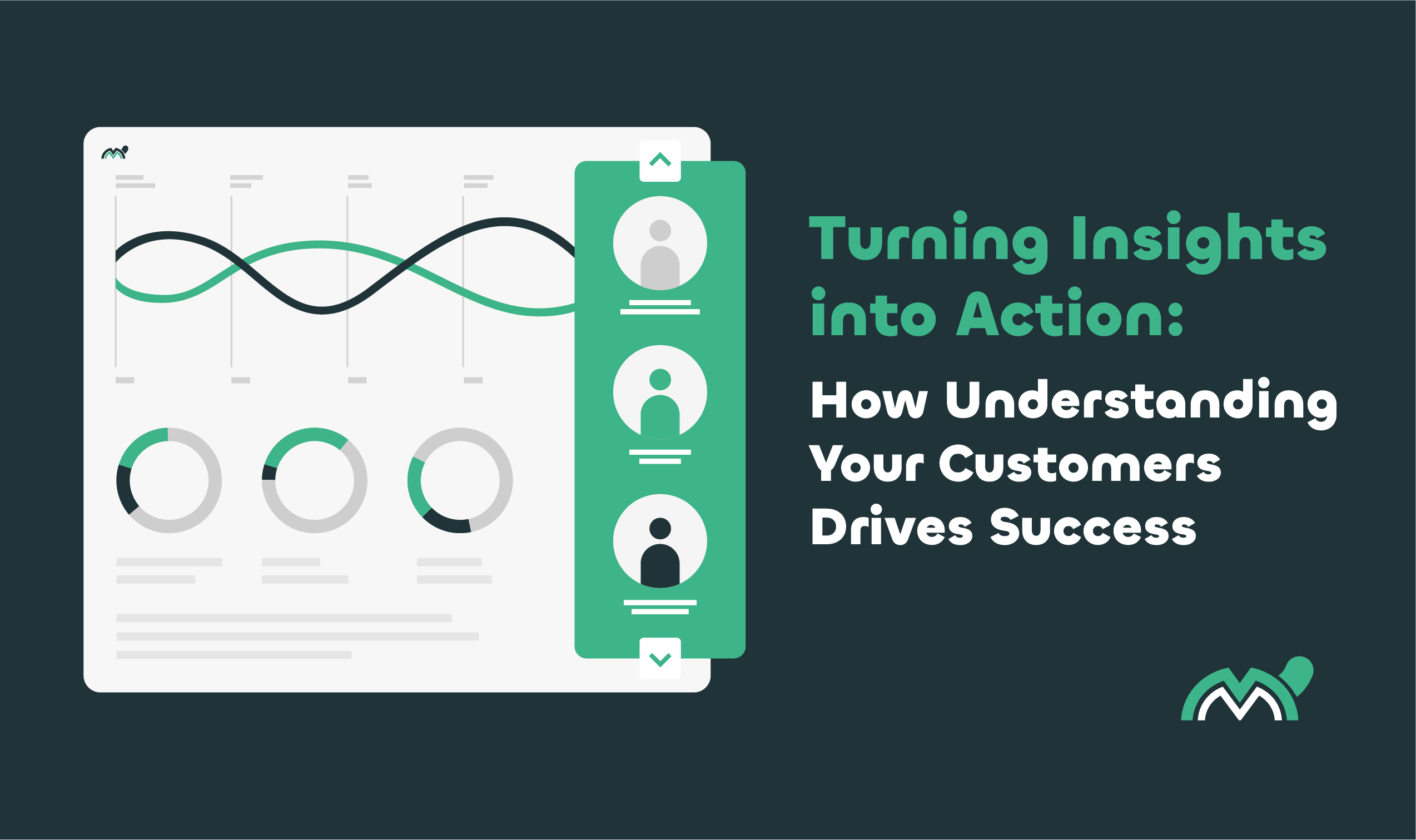
- Customer Journey Mapping: Create a visual representation of the typical paths your customers take from awareness to conversion. This will help you spot pain points, opportunities for optimization, and areas where you might be losing customers.
3. Segment Your Audience

Not all customers are the same, so segmenting your audience based on demographics, behaviours, and preferences is necessary. This will allow you to craft targeted marketing messages that speak directly to different groups within your customer base. Some ways to segment your audience include:
- Demographics: Age, location, gender, income level, etc.
- Behavioural Data: Purchase history, website behaviour, engagement level, etc.
- Psychographics: Interests, values, lifestyle, and attitudes.
4. Create and Refine Customer Personas
Customer personas are more important than ever, especially if your brand embraces support from AI tools in your marketing. These personas should be based on actual data and insights, not assumptions. They should include information like:
- Demographics: Age, location, income, job title, etc.
- Goals and Challenges: What are their main pain points, and what goals are they trying to achieve?
- Buying Behaviour: How do they make purchasing decisions? Are they price-sensitive? Do they rely on reviews or referrals?
- Preferred Communication Channels: Do they prefer email, social media, phone calls, or in-person interactions?
Update your personas regularly based on new data and customer feedback. For more inspiration on creating research-driven personas, check out one of our previous blog articles here.
5. Listen to Feedback and Act on It
Ongoing customer feedback is vital to understanding and improving the customer experience. Create feedback loops through:
- Surveys after purchases or interactions.
- Post-interaction feedback in customer support.
- Online reviews and ratings: What are customers saying on platforms like Google Reviews, Yelp, or Trustpilot?
- Loyalty Programs: Encourage customers to provide insights about their experience in exchange for discounts or perks.
Acting on feedback shows your customers that you value their input and are continuously working to improve.
Build Stronger Customer Relationships Through Ongoing Learning
Understanding your customers isn’t a one-time exercise. It is something that helps your customers continuously and over time it also allows your brand to shape and grow. The more you learn about your customers, the more you can refine your approach and meet their needs, becoming valuable to them.
How We Can Help
So, if you are unsure where your customers are in their journey or feel like your marketing is not hitting the mark, it’s time to take a step back and dig deeper.
To get the process started, contact us today for a free consultation.
Your customers will thank you by coming back again and again.